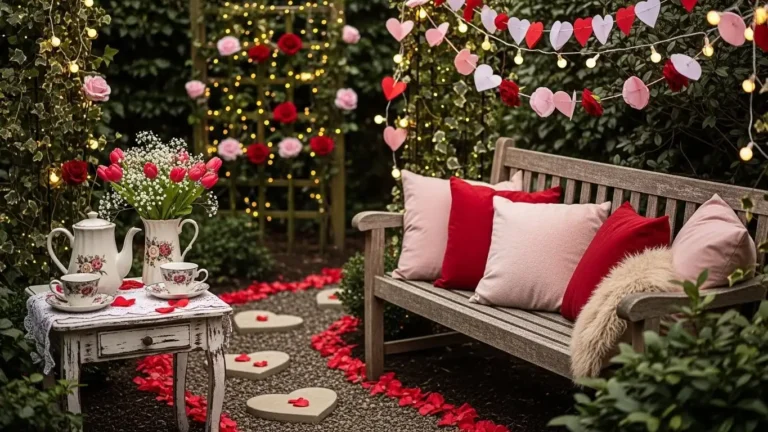
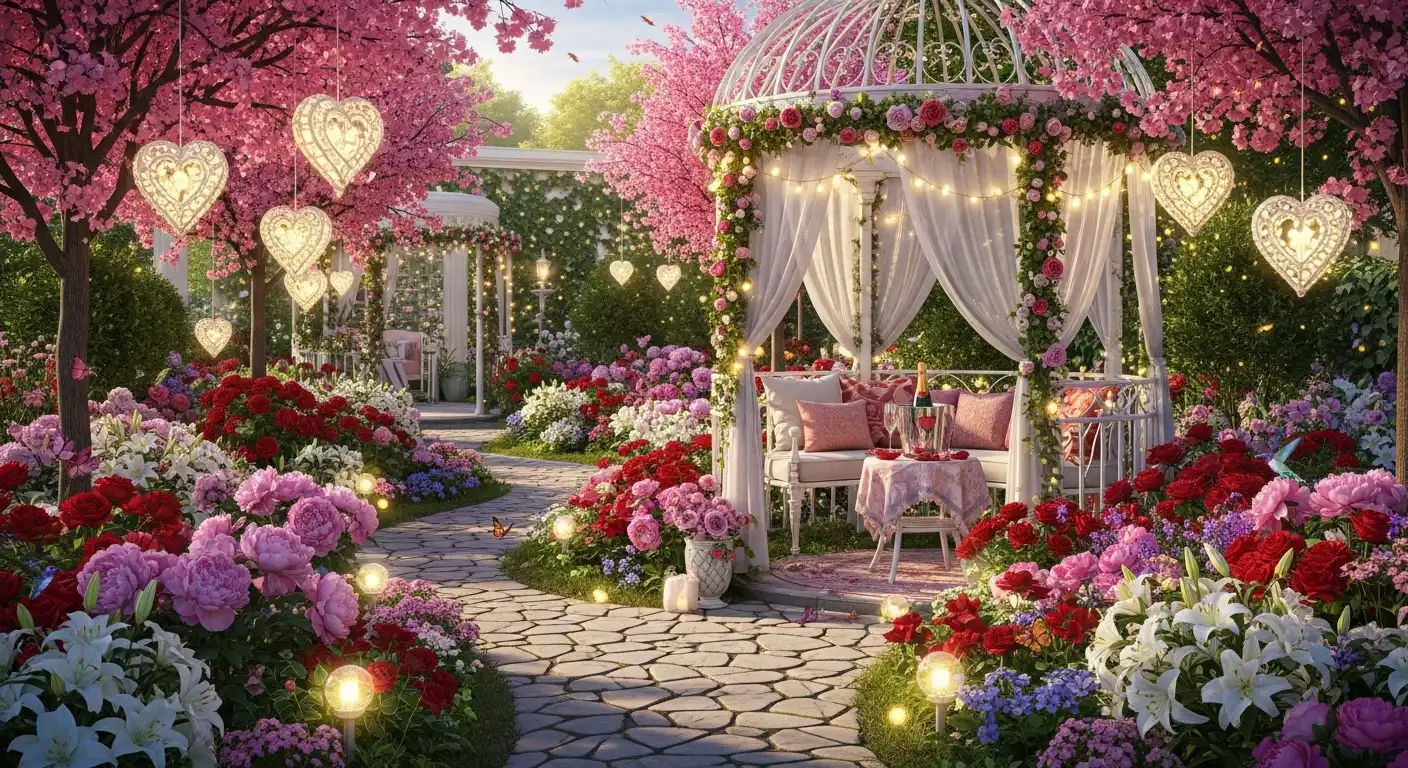
Transform Your Valentine’s Day Garden Flower with These 16 Ways
Planning a special Valentine’s Day Garden Flower landscape can feel overwhelming when you want everything to be just right. A thoughtful arrangement paired with simple planting can turn your outdoor space into a relaxed and meaningful experience, allowing you to focus on nature rather than complicated gardening tasks.
From cozy corners to slightly elevated pathways, these 16 ideas focus on growth, beauty, and ease. Each idea is designed to help you create a serene retreat without spending hours weeding, ensuring you have plenty of time to enjoy the fresh air.
16 Valentine’s Day Garden Flowers for Outdoor Living
When the goal is to impress without stress, these 16 Valentine’s Day Garden Flower ideas offer practical inspiration for your garden. The focus is on balanced landscapes that feel special, are easy to maintain, and allow you to enjoy the greenery as much as the view itself.
1. Red Roses
Red roses are universally recognized as the ultimate symbol of love and passion in any romantic landscape. Their velvety petals and rich colors create a dramatic focal point that instantly elevates the mood of your outdoor sanctuary.
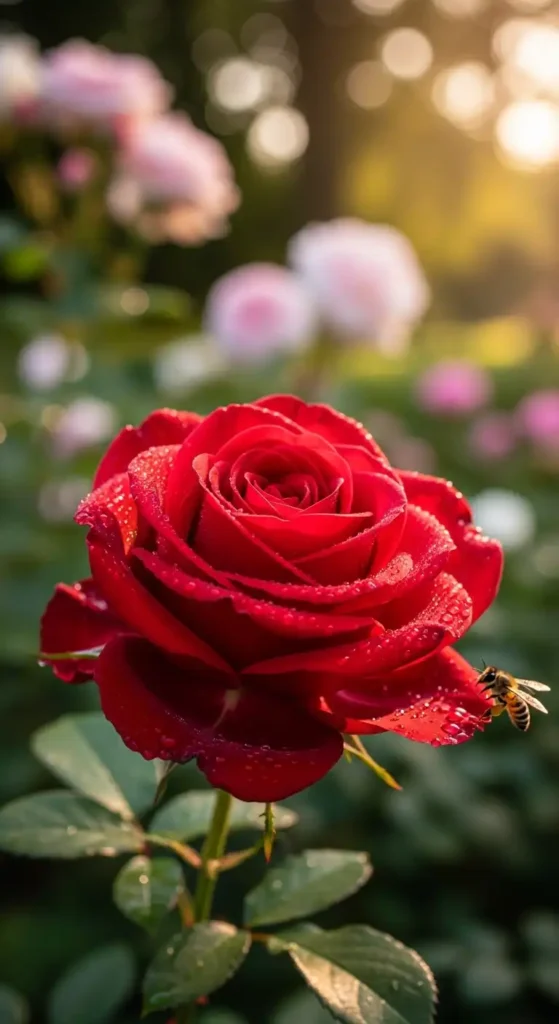
Growing these blooms requires a sunny spot where they can thrive and produce their signature fragrance. Regular pruning encourages healthy growth, ensuring that your garden remains vibrant and filled with classic beauty throughout the blooming season.
2. Peonies
Peonies offer large, ruffled blooms that bring a sense of abundance and soft elegance to spring borders. These perennials are cherished for their lush appearance and are often associated with prosperity and a happy marriage.
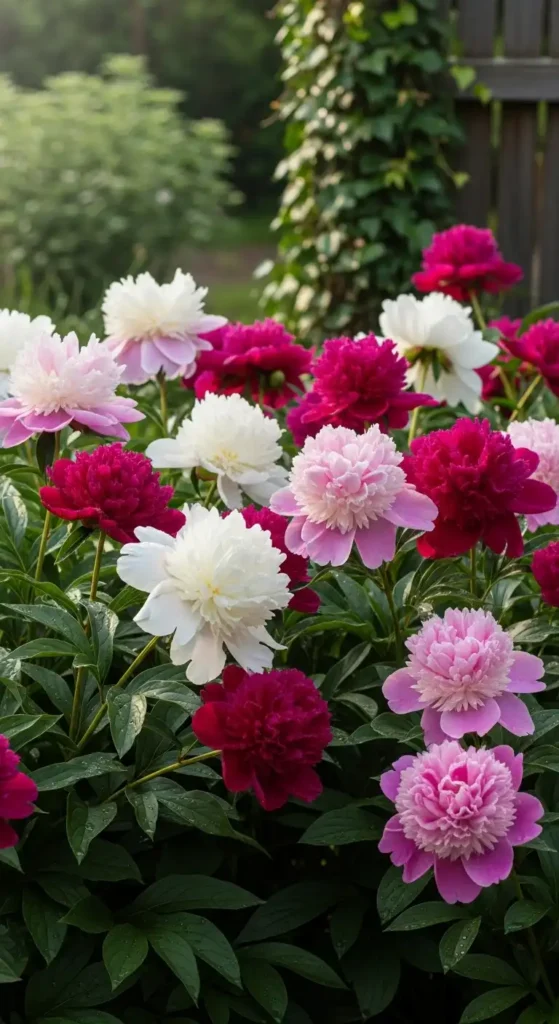
They thrive best in cooler climates and require patience as they establish their deep roots over time. Once settled, these resilient plants return year after year, providing a breathtaking display that serves as the ultimate living backdrop for romantic backyard Valentine decor, all while requiring very little daily maintenance.
3. Bleeding Heart
The bleeding heart is a shade-loving perennial that captivates with its unique, heart-shaped flowers dangling from arching stems. This plant adds a whimsical and delicate touch to darker corners of the garden that need brightening.
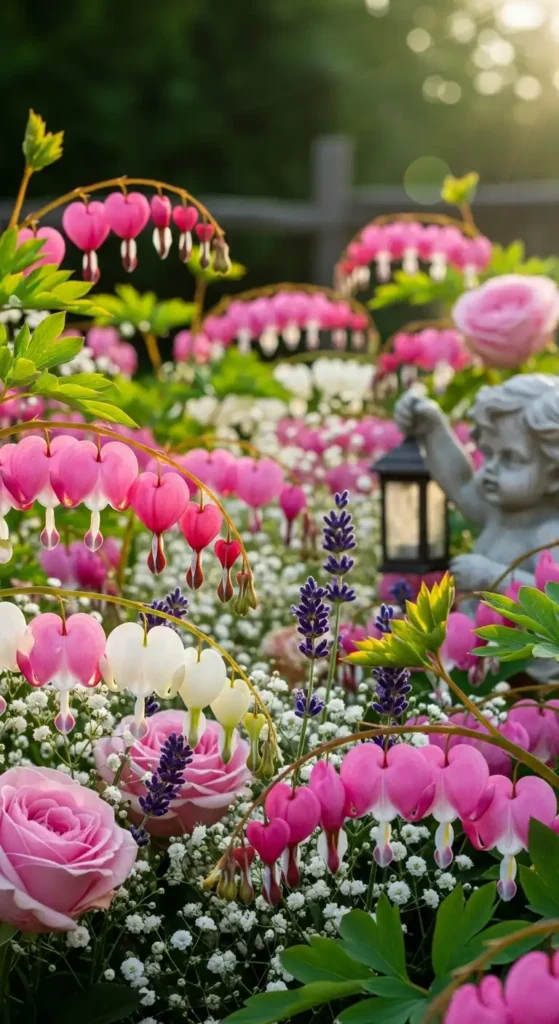
It prefers cool, moist soil and creates a fern-like texture that contrasts beautifully with broader leaves. The distinct shape of the blooms makes them a perfect conversation piece and a true highlight of any romantic garden design.
4. Tulips
Tulips are versatile spring bulbs that come in an endless array of colors to suit any Valentine’s Day theme. Their upright growth and clean lines make them excellent for bordering pathways or creating structured clusters in flower beds.
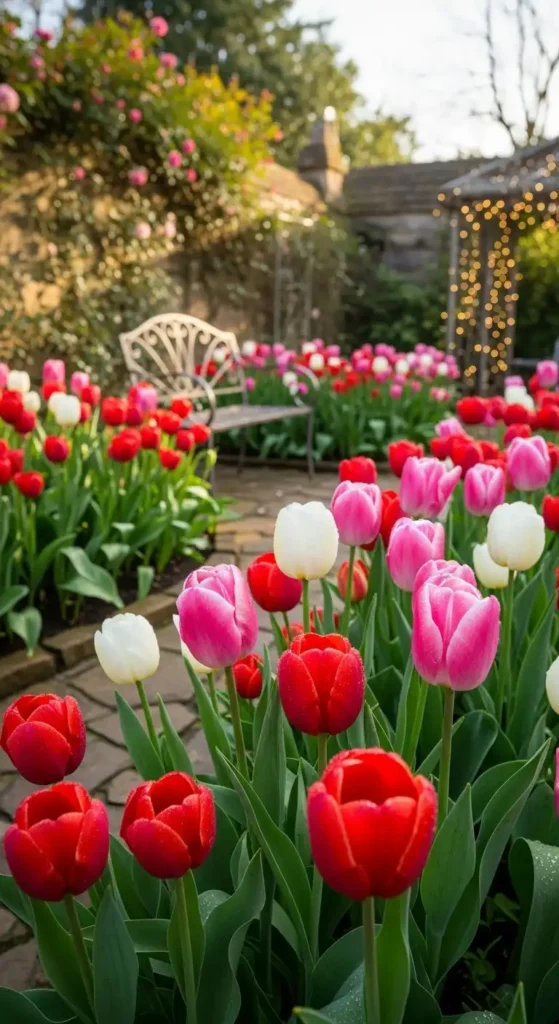
Planting bulbs in the fall ensures a spectacular show of color as soon as the weather warms up. They work wonderfully when planted in groups, creating a carpet of vibrant blooms that symbolize perfect and deep love.
5. Camellias
Camellias are evergreen shrubs that produce stunning, rose-like flowers during the cooler months of the year. Their glossy foliage provides year-round structure, while their winter blooms offer color when most other plants are dormant.
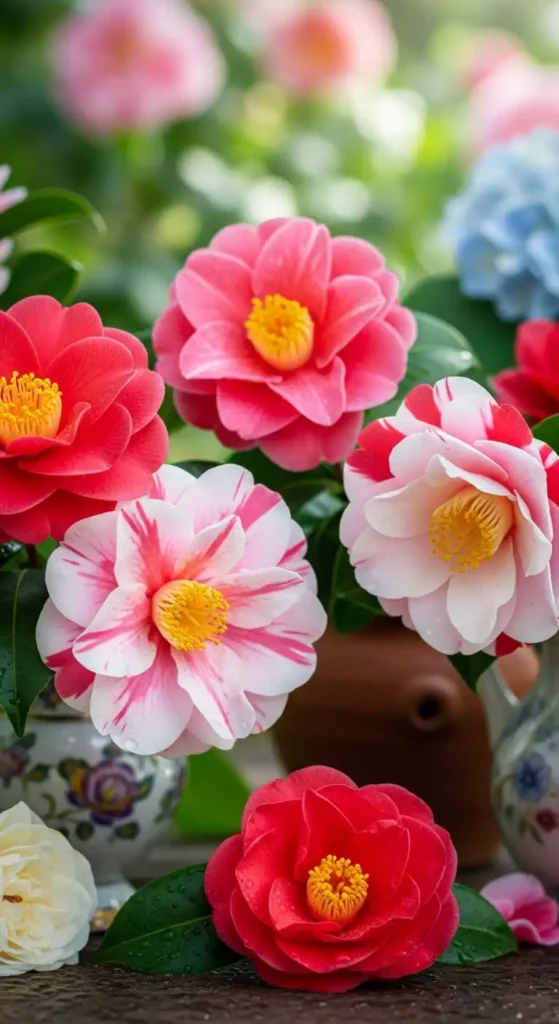
These plants prefer acidic soil and dappled shade, making them ideal for woodland garden settings. The soft pinks and reds of their petals bring a gentle, romantic atmosphere to the garden when you need it most.
6. Hellebores
Hellebores, often called Lenten Roses, are tough perennials that bloom in late winter or early spring. Their nodding, cup-shaped flowers appear in subtle shades of dusty pink, purple, and cream, bridging the gap between seasons.
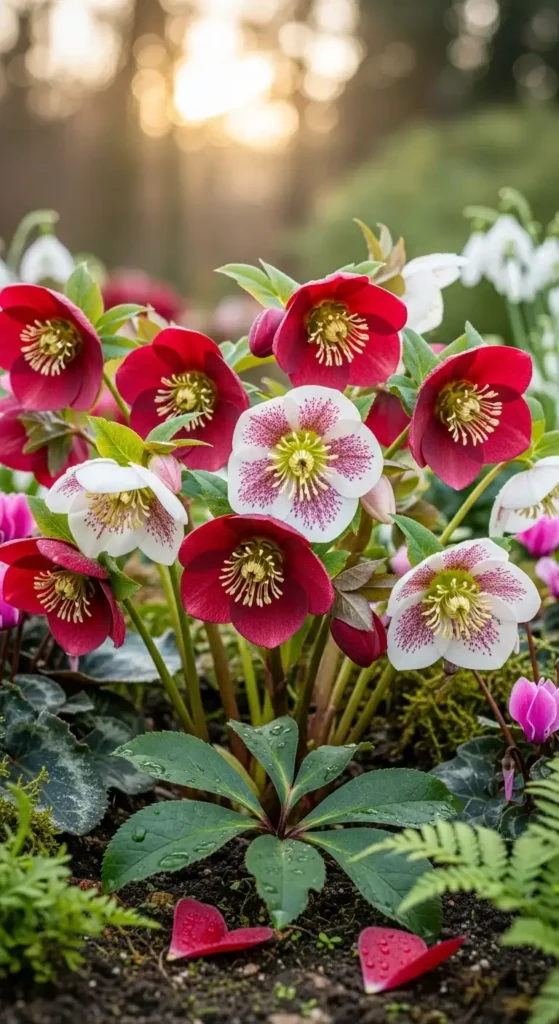
They are highly resistant to deer and thrive in shady areas under trees where other Valentine’s Day Garden Flowers might struggle. Their long-lasting blooms and evergreen leaves make them a reliable staple for a year-round romantic landscape.
7. Ranunculus
Ranunculus flowers are famous for their paper-thin petals that are tightly layered to resemble a rose or peony. These tuberous plants produce incredibly vibrant colors, ranging from sunset oranges to deep burgundies and bright whites.
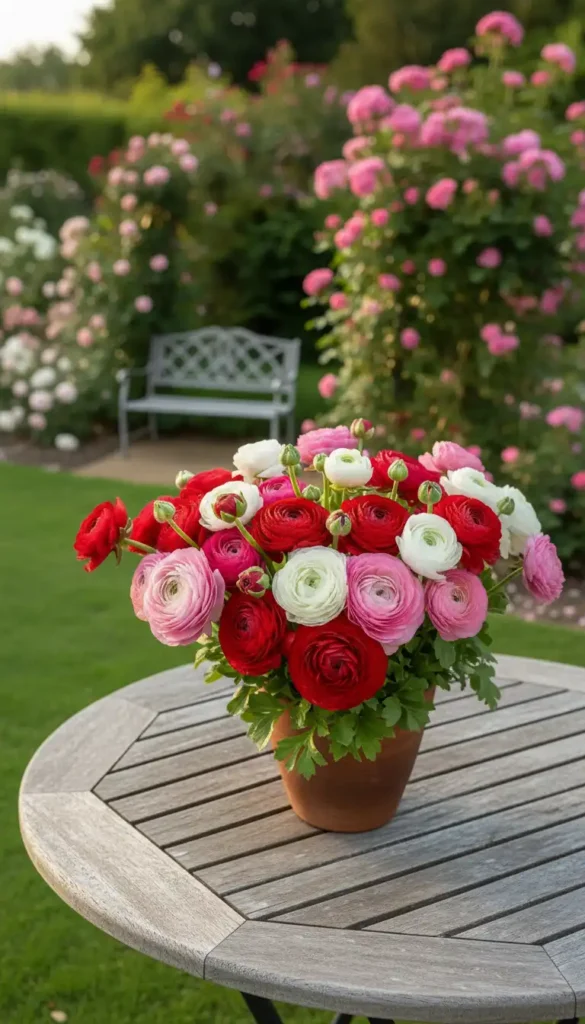
They prefer cool spring weather and need well-drained soil to prevent their roots from sitting in moisture. Their intricate blooms look stunning in cut flower arrangements, allowing you to bring a piece of the garden indoors.
8. Sweet Pea
Sweet peas are climbing annuals known for their intensely sweet fragrance and delicate, ruffled blossoms. They are perfect for training up trellises or arches, adding vertical interest and a cottage-style charm to your outdoor space.
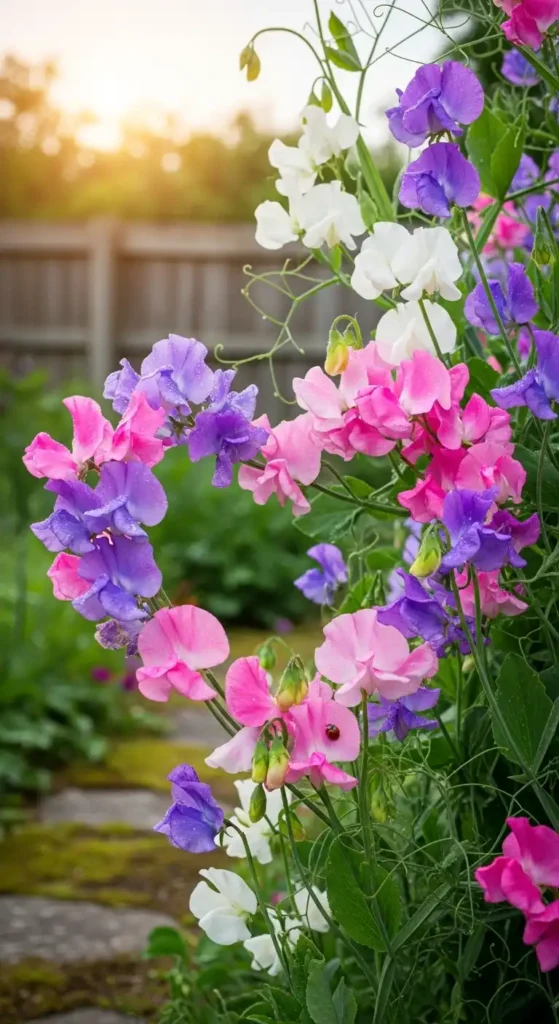
These vines thrive in cooler weather and benefit from regular harvesting to encourage continuous flowering. The soft pastel colors and intoxicating scent make them a sensory delight for anyone walking through your garden retreat.
9. Forget-Me-Not
Forget-me-nots are charming, low-growing plants that produce clouds of tiny, sky-blue flowers with yellow centers. They self-seed easily, filling in gaps between larger plants and creating a soft, dreamy ground cover effect.
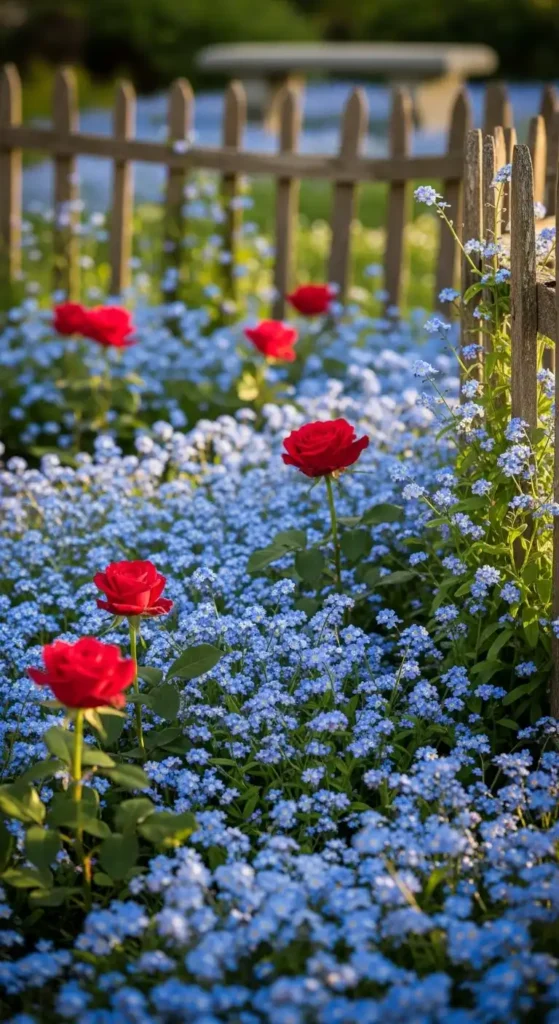
These biennial blooms symbolize true love and memories, making them a sentimental addition to any planting scheme. A top choice when considering romantic garden decor, they prefer moist soil and partial shade, effortlessly weaving themselves into the fabric of a naturalistic garden design.
10. Hydrangeas
Hydrangeas are beloved for their massive, globe-shaped flower heads that change color depending on the soil pH. These deciduous shrubs fill large spaces with lush green foliage and long-lasting blooms in shades of blue, pink, and white.
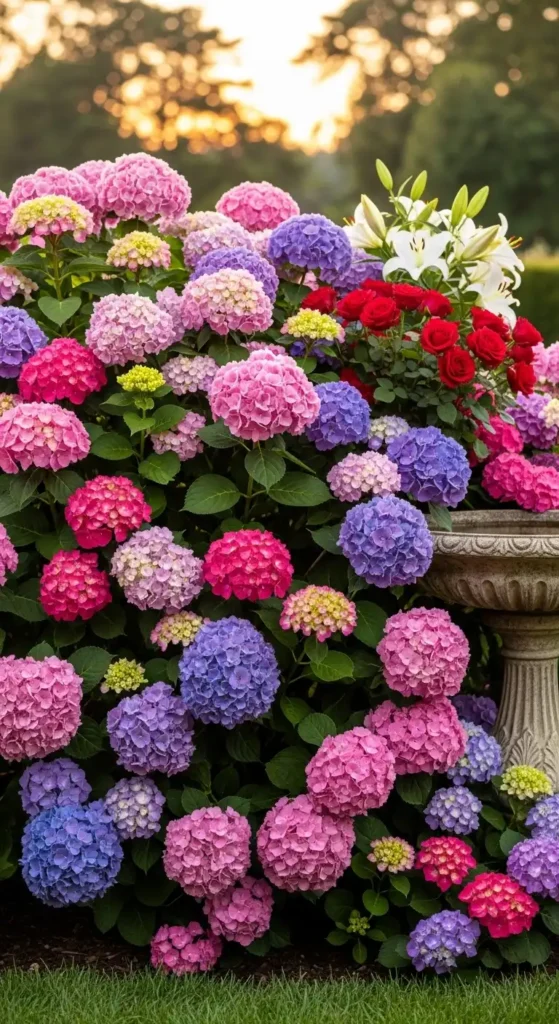
They require consistent moisture and some protection from the harsh afternoon sun to look their best. Their billowy appearance adds a sense of fullness and grandeur to garden borders, creating a romantic backdrop for outdoor seating.
11. Anemones
Anemones offer daisy-like flowers with striking dark centers that sway gracefully on slender, wiry stems. They are excellent for adding movement to the garden and come in vibrant shades of red, purple, and white.
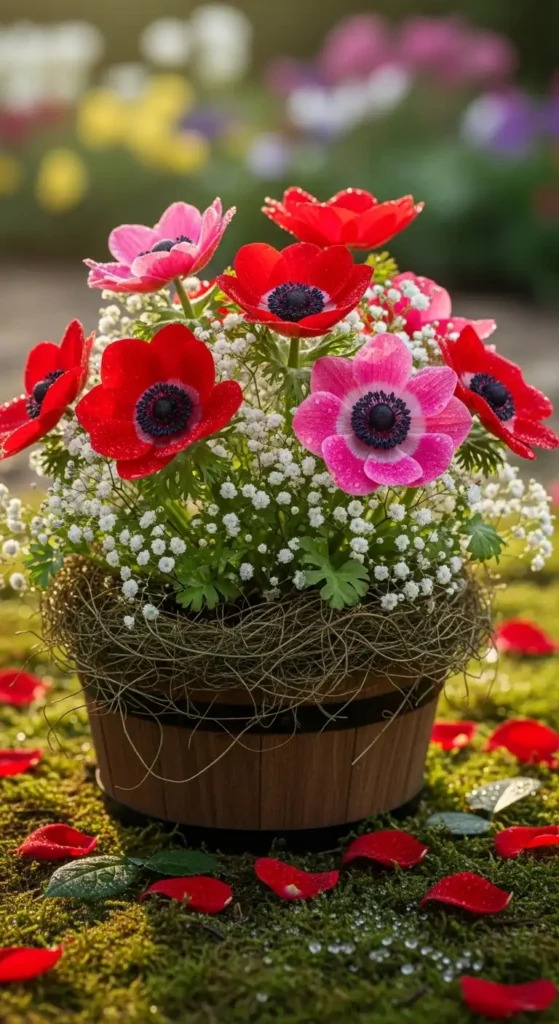
Planting these tubers in well-draining soil ensures they return to bloom season after season. Their simple yet bold appearance complements more complex flowers, providing a modern and sophisticated touch to your Valentine-inspired planting layout.
12. Dahlias
Dahlias are showstopping tuberous plants that bloom from mid-summer until the first frost of autumn. Their intricate, geometric flower heads range from petite pompoms to dinner-plate sizes, offering unmatched variety for garden enthusiasts.
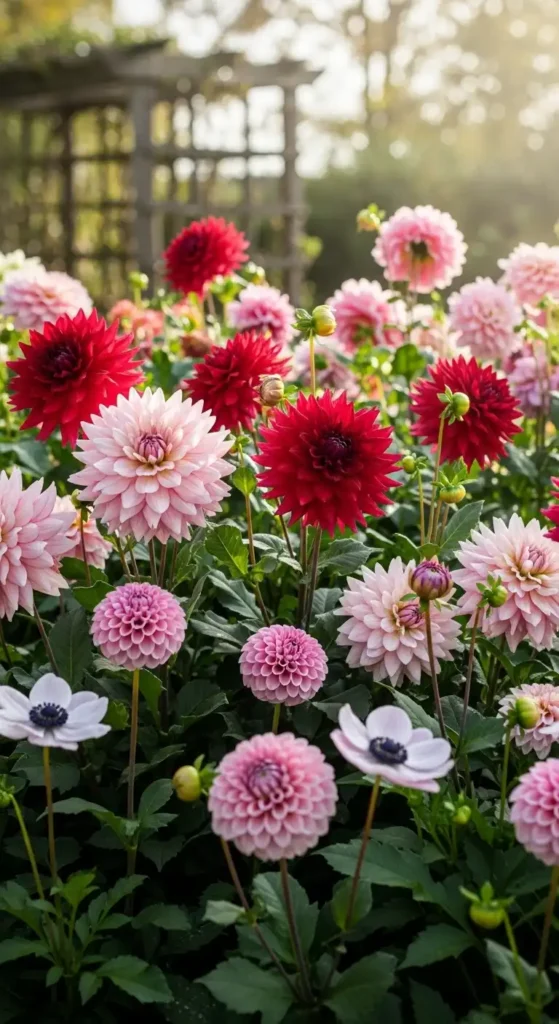
They love full sun and need staking to support their heavy, colorful blooms against the wind. Including these in your garden ensures a late-season burst of romance when many spring Valentine’s Day Garden Flowers have finished.
13. Orchids
Orchids bring an exotic and sophisticated flair to sheltered garden spots or patio containers in warmer climates. Their unique shapes and vibrant patterns symbolize rare beauty and strength, making them a standout feature.
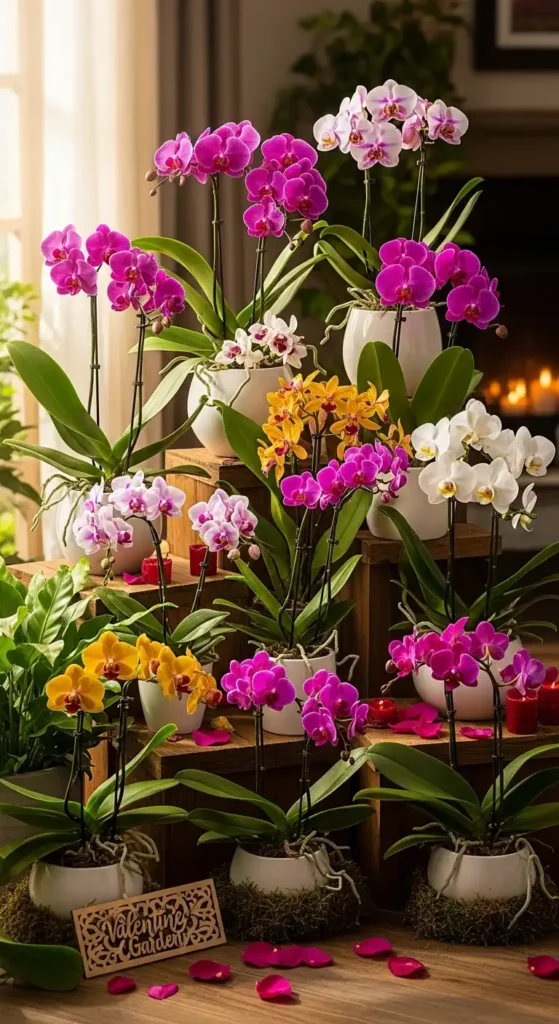
While often grown as houseplants, hardy terrestrial varieties can thrive outdoors in mild, protected environments. Their long-lasting blooms provide a tropical touch that contrasts beautifully with traditional temperate plants in a diverse garden landscape.
14. Carnations
Carnations are resilient perennials loved for their fringed petals and spicy, clove-like fragrance. They are sturdy plants that hold up well in bouquets and add a nostalgic, cottage-garden feel to borders and rockeries.
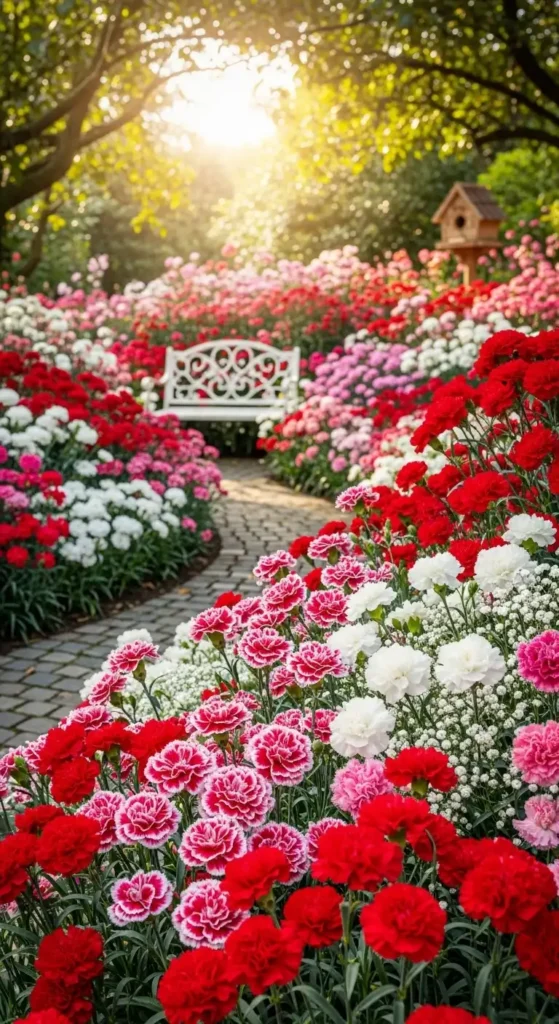
These flowers prefer full sunlight and well-drained soil to prevent crown rot and maintain health. Their rich history of symbolism and wide color palette make them a meaningful and durable choice for romantic garden beds.
15. Daffodils
Daffodils are cheerful, trumpet-shaped flowers that herald the arrival of spring with their bright yellow and white hues. They are incredibly hardy bulbs that naturalize well, returning with more vigor each passing year.
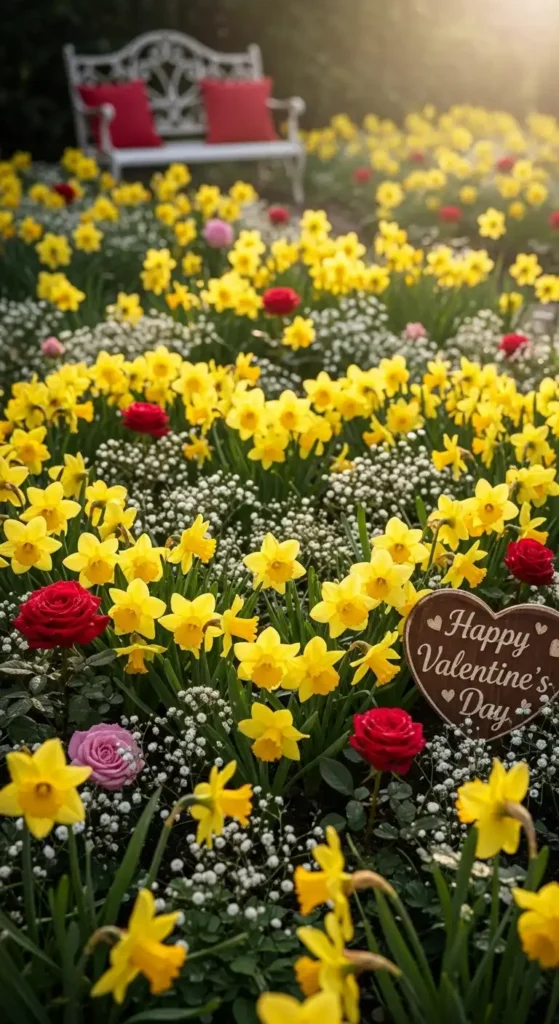
Planting them in drifts under deciduous trees creates a stunning visual impact with minimal effort. Their resilience and sunny disposition symbolize new beginnings, making them a perfect complement to early-season Valentine’s Day Garden Flowers.
16. Love-in-a-Mist
Love-in-a-mist is an enchanting annual featuring fennel-like foliage and intricate blue or white flowers surrounded by a misty ruff. This easy-to-grow plant adds a soft, ethereal texture to garden beds and cottage borders.
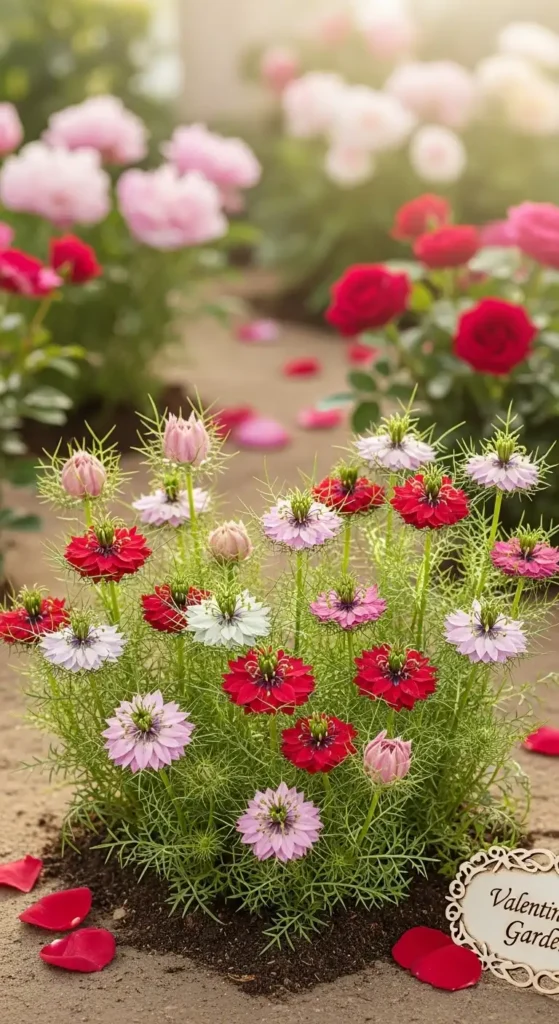
It self-sows readily, ensuring a fresh crop of delicate blooms appears in the garden each year. The unique seed pods that follow the flowers are also decorative, adding visual interest even after the petals fall.
How to Create a Romantic Valentine’s Garden Escape?
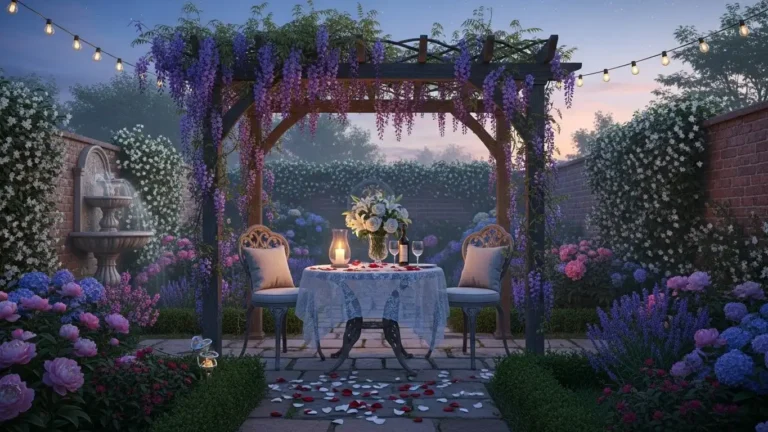
Transform your outdoor space into a dreamy retreat this Valentine’s Day. With the right flowers, colors, and scents, your garden can feel magical. Even small changes can make a big impact and create moments you’ll love to enjoy.
Soft fragrances, layered blooms, and vibrant colors bring life to every corner. From cozy nooks to open pathways, each plant can tell its own story of romance. Follow these professional tips to take your garden from ordinary to unforgettable.
Expert Tips for a Romantic Valentine’s Garden
- Layer Heights: Plant tall blooms like sweet peas in the back and low growers like forget-me-nots in front.
- Scent Matters: Prioritize fragrant varieties near seating areas to enhance the sensory experience.
- Color Palette: Stick to soft pinks, whites, and deep reds to maintain a cohesive romantic theme.
- Seasonal Span: Mix spring bulbs with late-blooming dahlias to ensure color from February to October.
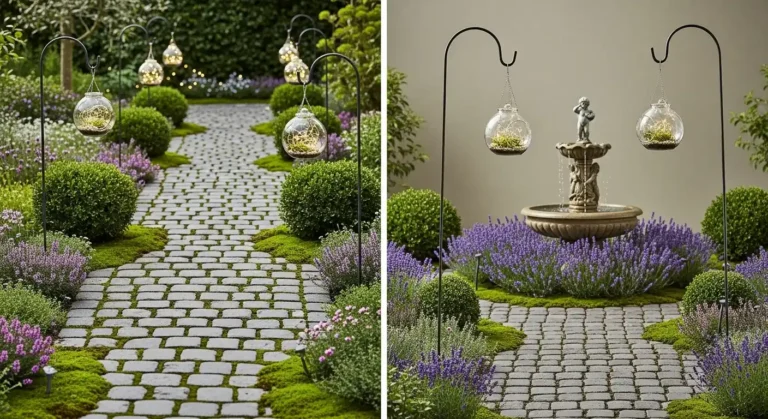
- Lighting: Add soft solar lights along pathways to highlight your blooms during evening strolls.
Conclusion
Creating a romantic outdoor space is about selecting plants that evoke emotion while remaining manageable for the gardener. By incorporating a mix of these Valentine’s Day Garden Flowers, you build a landscape that is both visually stunning and deeply personal.
Whether you prefer the drama of red roses or the subtle charm of bleeding hearts, there is a bloom here for every style. Enjoy the process of cultivating your garden, knowing it will grow into a beautiful sanctuary for years to come.